



 1 Min
1 Min In OTC

Follow this topic

Bookmark

Record learning outcomes
On 9 March this year, MPs debated type 1 diabetes diagnosis and testing in children. This was in response to the preventable death of two-year-old Lyla Story.
Lyla died in her sleep in May 2025, just hours after she was diagnosed with acute tonsillitis and sent home with antibiotics and paracetamol, despite having key symptoms of type 1 diabetes – including extreme tiredness, fatigue and lethargy, vomiting multiple times, increased thirst and more wet nappies than usual.
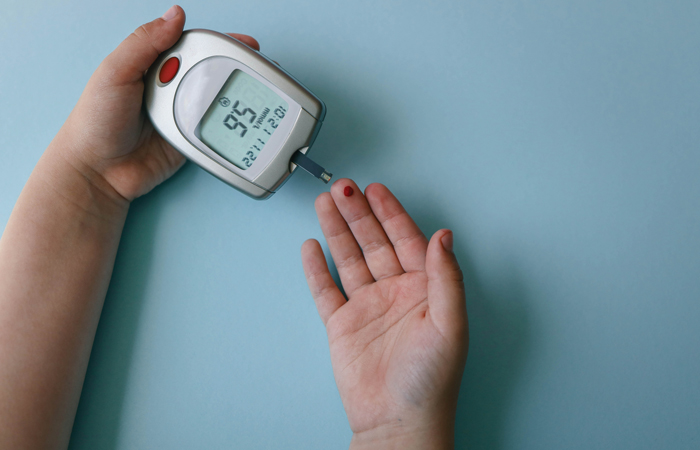
Type 1 diabetes can be easily diagnosed with a simple finger prick test that checks blood glucose levels. This should be offered routinely to children and teenagers with signs of the condition, and young patients with suspected type 1 diabetes should also be referred immediately to a hospital paediatric diabetes team. Unfortunately, this doesn’t always happen in practice.
It is therefore important that pharmacy teams are aware of the signs and symptoms of type 1 diabetes – and can advise parents and guardians to look out for them and seek urgent medical advice if necessary.
Type 1 versus type 2 diabetes
Type 1 diabetes affects eight per cent of people living with diabetes, while type 2 diabetes affects 90 per cent of people with the condition. Both cause too much glucose in the bloodstream due to a problem with the hormone insulin, which can lead to life-threatening complications.
However, the two conditions have different (but sometimes overlapping) causes, symptoms and treatments. There are some other forms of diabetes that are much less common, such as gestational diabetes (diabetes in pregnancy).
“Type 1 diabetes is an autoimmune condition where your blood sugar is too high because your body has destroyed the insulin-producing cells in your pancreas, called beta cells, so you can’t produce insulin,” explains Alexander Ghahramani, senior clinical advisor at Diabetes UK.
“Type 2 diabetes leads to high blood sugar levels due to your body not making enough insulin, or the insulin it makes not working properly, known as insulin resistance.”
- Type 1 diabetes is usually diagnosed in children (from six months onwards), although it can occur for the first time at any age, mainly in the under-40s.
- The cause of the condition is unclear, and the autoimmune damage to the insulin-producing cells can happen over many years. Although type 1 diabetes can run in families, most people with the condition do not have a family history of it.
- It is therefore likely that environmental factors are also involved – possibly a specific virus. Research is ongoing. Type 1 diabetes cannot be cured at present.
- It is treated with insulin and by balancing the intake of carbohydrates with insulin doses, although an immunotherapy drug (teplizumab) is now licensed to delay the development of type 1 diabetes in eligible people in the early stages of the condition
- Type 2 diabetes is usually associated with people over the age of 40, but it is now becoming more common in children and teenagers.
- Risk factors include obesity, family history, ethnicity and features of metabolic syndrome (such as high blood pressure and high blood cholesterol). Type 2 diabetes can often be treated with lifestyle changes and medicines, including insulin.
Being active, eating healthily and having regular health checks are important in the management of both type 1 and type 2 diabetes. Type 2 diabetes may be prevented with lifestyle changes, but type 1 diabetes cannot currently be prevented.
“Pharmacy staff often pick up patterns over repeat visits that no single GP consultation sees”
Screening children for type 1 diabetes
It is hoped that diagnosis of type 1 diabetes will eventually change in children and that screening will become a routine part of children’s healthcare. Research funded by Diabetes UK, published in January, has found that childhood screening for type 1 diabetes can be very effective.
The ELSA (Early Surveillance for Autoimmune Diabetes) study at the University of Birmingham involves screening blood samples (using simple finger prick tests) from children aged three to 13 years to check for specific autoantibodies.
These autoantibodies are signs of the autoimmune reaction that can appear years before type 1 diabetes symptoms occur.
The risk of type 1 diabetes rises sharply with the number of autoantibodies found. Children with two or more of these autoantibodies have early-stage type 1 diabetes and will most likely eventually need insulin therapy.
By January this year, more than 37,000 families had already signed up for the ELSA study, demonstrating strong public support. Spotting type 1 diabetes early on could reduce emergency hospital admissions and save young lives.
It can also enable children to start on insulin as soon as possible or to access new immunotherapy treatment that can delay the need for insulin therapy for several years.
The ELSA 2 study is now expanding screening to children in the UK aged two to 17 years, with the aim of recruiting another 30,000 children for the research.
ELSA 2 will also set up new NHS Early-Stage Type 1 Diabetes Clinics. These will provide families taking part in the study with clinical and psychological support, and create a clear pathway from screening to diagnosis, monitoring and treatment.
Common symptoms
Type 1 diabetes shares many symptoms with type 2 diabetes, but the symptoms of type 1 tend to appear much more quickly, over just a few days or weeks, and in previously healthy and well children.
Although the symptoms of type 1 diabetes vary from person to person, parents should always seek advice if they notice symptoms or behaviour that isn’t normal for their child.
The four most common symptoms/signs of type 1 diabetes are the ‘4Ts’:
- Toilet – passing urine more often, especially at night. This could be heavier nappies or a child suddenly starting to wet the bed after previously being dry at night
- Thirsty – being constantly thirsty and drinking more than usual. Babies may want to feed more regularly, while older children and teenagers may ask for a drink more often, finish drinks very quickly or generally drink more
- Tired – being incredibly tired and having no energy. A baby may sleep more than usual at night or want to nap more during the day, and a child or teenager may find it hard to stay awake at nursery, school or college. Children may not be able to run around as much as usual or have the energy to play sports and games
- Thinner – losing weight without trying to. A child may feel or look thinner when parents are getting them dressed, and their clothes may start to feel looser.
Other signs of type 1 diabetes include getting more infections (especially urinary tract infections (UTIs) or thrush), persistent nappy rash in babies, cuts and wounds that take longer to heal, increased hunger and blurry eyesight. There may also be behavioural changes such as irritability.
“These presentations are often missed in primary care because the early symptoms overlap with far more common childhood illnesses,” says Dr Alia Fahmy, medical director and GP at Concierge Medical in Warwick.
“Thirst is mistaken for hot weather, tiredness for school stress, weight loss for a growth spurt, and urinary symptoms for a simple UTI. Gastrointestinal symptoms can be particularly misleading, with vomiting and abdominal pain attributed to gastroenteritis.”

“No child should become seriously ill simply because the signs of type 1 diabetes were missed”
Avoiding complications
It’s important that anyone of any age experiencing possible symptoms of type 1 diabetes has a quick and simple finger prick blood test as soon as possible so they can be diagnosed and treated.
If a blood test indicates high blood glucose, a GP should be referring immediately to a specialist diabetes team or hospital for further tests. The referral should be on the same day. It can help to speed up the diagnosis if parents or guardians give their GP a urine sample from their child – this can show high levels of glucose and harmful chemicals called ketones.
If type 1 diabetes is not diagnosed early on, it can lead to several complications. This includes a life-threatening condition called diabetic ketoacidosis (DKA), which is caused by a severe lack of insulin. Without insulin, the body cannot move glucose into cells and starts to break down fat instead.
This leads to the release of harmful ketones, which build up and make blood acidic. The symptoms of DKA include the 4Ts (severely and acutely), as well as blurred vision, feeling or being sick, sweet or fruity-smelling breath and losing consciousness.
DKA may occur in someone with type 1 diabetes following an infection, a growth spurt, not taking or missing doses of insulin, surgery or an injury. However, over a quarter of children are not diagnosed with type 1 diabetes until they are in diabetic ketoacidosis – which is sometimes too late.
“Early diagnosis of type 1 diabetes saves lives,” says Alexander. “No child should become seriously ill simply because the signs of type 1 diabetes were missed.
By being alert to the 4Ts of type 1 diabetes (Toilet, Thirsty, Tired and Thinner) and asking a few simple questions, pharmacy staff can spot early warning signs and advise urgent GP review or emergency A&E review if appropriate.
Acting quickly is vital, as early recognition can help prevent children becoming seriously unwell with diabetic ketoacidosis.”
What can pharmacy teams do?
According to Dr Fahmy, community pharmacy teams are uniquely well-placed to spot red flags of type 1 diabetes because parents often visit pharmacies for advice about their children’s health.
“A parent asking repeatedly for cystitis sachets, thrush treatments, antiemetics, oral rehydration salts or products for bedwetting should prompt wider questioning,” she says. “A simple, conversational screen can be powerful:
- ‘Has your child been drinking much more than usual?’
- ‘Are they needing the toilet more?’
- ‘Have they lost weight or seemed unusually tired?’
Pharmacy staff often pick up patterns over repeat visits that no single GP consultation sees.”
Type 1 diabetes can have a significant emotional impact on the patient and their families, so support and reassurance are vital. Being diagnosed with the condition can be a huge shock, and pharmacy teams can play a supportive role in the day-to-day management of the condition.
Dr Michael Swift, who has type 1 diabetes and is a chartered member of the British Psychological Society and the founder and clinical director of Swift Psychology, says that families frequently leave initial consultations feeling overwhelmed.
“In my experience, even simple check-ins – ensuring consistent access to insulin and monitoring supplies, reinforcing when ketone testing is needed, or clarifying when symptoms may indicate escalating risk – can significantly reduce anxiety and prevent complications,” he says.
“Equally important is the tone: normalising that managing type 1 is a learning process, and encouraging early help-seeking can help families feel more confident and less isolated.”
Dr Fahmy says that community pharmacy teams can help families use the information they have been given by the hospital diabetes clinic in their day-to-day lives. “For children and teenagers, there is often an abrupt loss of normality,” she says.
“Suddenly, life involves injections, glucose checks, carb counting, and a sense of being different from peers. Families benefit from practical guidance on sick-day rules, ketone testing supplies, hypo treatments, sharps disposal, insulin storage, and what to do if a pen device fails.
Ultimately, the value of community pharmacy lies not just in medicines supply, but in pattern recognition, opportunistic questioning, and steady reinforcement.
Spotting the thirsty, tired child before they become the vomiting child in DKA is where pharmacy teams can make a life-saving difference.”
Lyla’s Law
Since May 2025, Lyla Story’s father, John, has been calling for a “test, don’t guess” approach to the diagnosis of type 1 diabetes.
Lyla’s Law is a campaign calling for mandatory routine screening for type 1 diabetes (urine and/or blood tests) in babies, toddlers and children during medical visits, especially if they have the 4Ts, the most common symptoms of type 1 diabetes: Toilet, Thirsty, Tired and Thinner.
When Lyla was unwell, her parents urged her doctors to investigate her symptoms, but the doctors didn’t perform tests that would have revealed the high blood glucose and ketone levels that led to Lyla’s death.
More than 120,000 people signed the petition set up in Lyla’s memory, and many other parents reported similar experiences, including fighting for their child to receive a simple finger prick blood test.
John Story’s campaign also calls for greater education and awareness of the 4Ts and type 1 diabetes, increased awareness of the existing NICE type 1 diabetes guidelines among healthcare professionals, and better information on type 1 diabetes in the NHS “Red Book” for parents.
Following a debate in Westminster, it is hoped that Lyla’s Law will soon lead to changes that ensure earlier diagnosis of type 1 diabetes in children so that no other families experience such a devastating loss.

Being active, eating healthily and having regular health checks are
important in the management of type 1 and type 2 diabetes.

Share:


In OTC